|
||||
|




     |

|
|
|
HailThe city of Hail is situated in the Shammar mountain region, west of the Al-Odairie valley, also known as the Hail valley. It has special historic significance. It is also a transit point for pilgrims heading towards Makkah Al Mukarramah from Iraq and Syria. The city extends in the shape of a bow around the Shammar mountain. It is surrounded to the west by the Aja and the Umm-Al-Riqab mounts as well as the Salma mount to the north and east. Hail has been transformed into a modern city, having undergone comprehensive development. It is now linked via modern expressways to Riyadh, Makkah Al-Mukarramah, Al Madinah Al Munawarah and Jeddah. There are more than thirty gardens in the city and twenty-five landscaped areas, covering an area of 1,735,163 square meters. The city's public parks include Al Rasuf, Ugdah, Janeiri and Ghar Al Majma in addition to Hail's public park and Mashar Park, which includes a 65-square-meter artificial lake and a 300-meter-high waterfall. Hail's cultural center includes a number of halls for artistic exhibitions, a permanent exhibition center and a popular museum in addition to a theater, public library and other halls for meetings and lectures. The city contains several historic palaces and fortresses, some dating the Ottoman era in addition to ancient Thammadi artifacts, the historic Zubaida Route and a host of ancient lakes and wells. Hail is also known for its agricultural products, including vegetables, fruit, wheat and barley. Hail City is the provincial capital and headquarters of the Governor, local councils and branches of governmental departments.
|
Golden Tulip Hail
 |
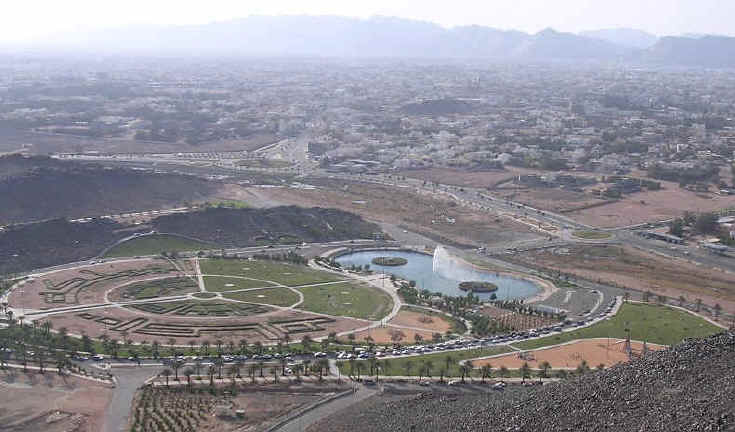
Photo by Walid M. Alamir
www.fadhaa.com
|
|
|
Send E-mail to
TSN@The-Saudi.Net with questions or
comments about The Saudi Network.
We are Looking for Business Sponsorship or Marketing Partnership |
 Hotels in Ḩāʼil